In today’s fast-changing world, businesses face constant challenges. Economic downturns, changing customer preferences, technological disruptions, and global crises can all impact how companies operate. While some businesses struggle to survive during uncertain times, others continue to grow stronger. The difference often comes down to one key factor: a resilient business model.A resilient business model helps companies adapt to change, manage risks, and continue delivering value even during difficult situations. Businesses that focus on resilience are better prepared to handle uncertainty and seize new opportunities.

What Is a Resilient Business Model?
A resilient business model is a strategy that allows a company to remain stable and flexible during changing market conditions. Instead of depending on a single product, customer group, or revenue source, resilient businesses build systems that can adapt quickly.These businesses are designed to survive disruptions while continuing to meet customer needs. They focus on long-term sustainability rather than short-term success.For example, many traditional retail stores struggled during the rise of online shopping. However, companies that quickly adopted e-commerce platforms, digital payments, and delivery services managed to stay competitive and profitable.
Why Business Resilience Matters.
The business environment is more unpredictable than ever before. Events like pandemics, inflation, supply chain disruptions, and rapid technological advancements can create sudden challenges.
A resilient business model helps organizations:
Adapt to market changes quickly
Reduce financial risks
Improve customer trust and loyalty
Maintain stable operations during crises
Discover new growth opportunities
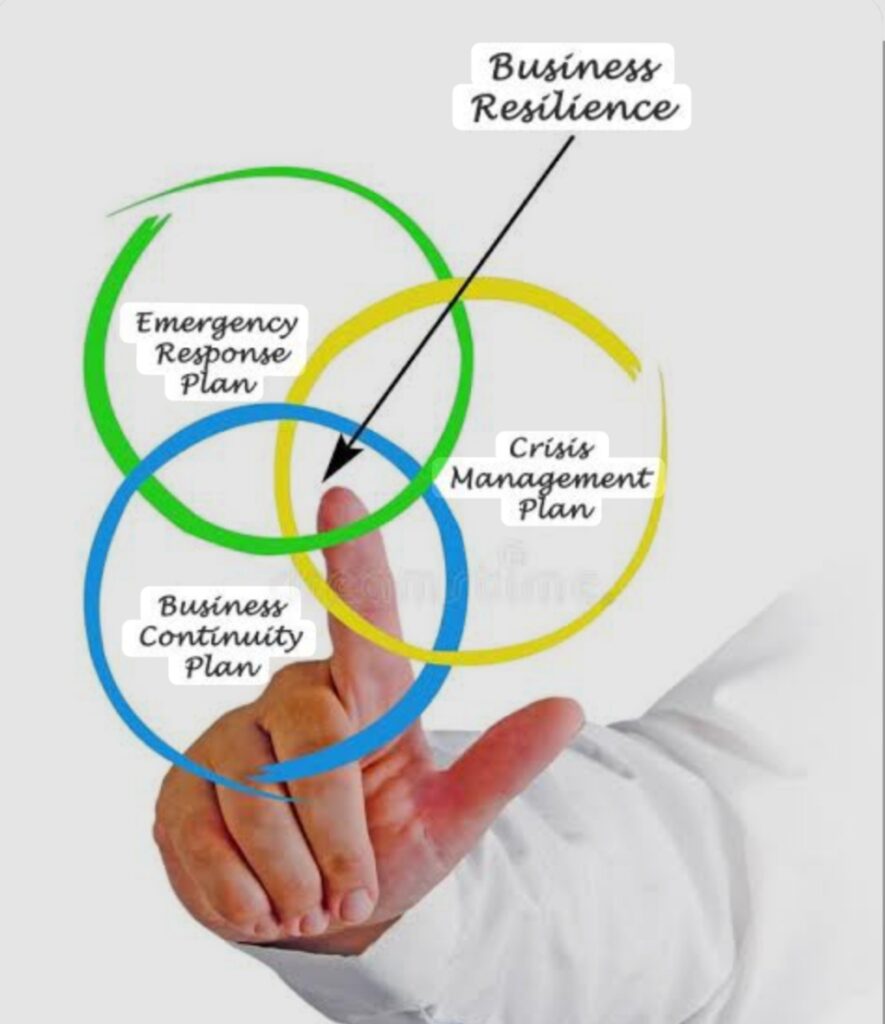
Companies that invest in resilience are more likely to survive difficult times and remain competitive in the future.
Key Features of Resilient Business Models
1. Diversified Revenue Streams
Relying on one source of income can be risky. Resilient businesses create multiple revenue streams to reduce dependency on a single market or product.
For example, a restaurant may offer dine-in services, online food delivery, catering, and packaged food products. If one revenue stream slows down, the others can help maintain
income.Diversification creates financial stability and lowers business risks.
2. Strong Customer Relationships
Customers are the foundation of every successful business. Companies with strong customer relationships often recover faster during difficult periods.
Businesses can strengthen customer loyalty by:
Providing excellent customer service
Listening to customer feedback
Offering personalized experiences
Maintaining clear communication
When customers trust a brand, they are more likely to continue supporting it even during challenging times.
3. Digital Transformation.
Technology plays a major role in business resilience. Companies that embrace digital tools can operate more efficiently and adapt more quickly.
Examples of digital transformation include:
Online stores and mobile apps
Cloud-based software
Remote work systems
Digital marketing strategies
Data analytics for decision-making
Businesses that invest in technology are better prepared for future disruptions.
5. Financial Preparedness.
Financial stability is essential for long-term resilience. Companies should maintain emergency funds, manage debt carefully, and monitor cash flow regularly.
Financial preparedness allows businesses to handle unexpected expenses and continue operating during economic slowdowns.
Smart budgeting and risk management can help businesses stay secure even in uncertain markets.
.Examples of Resilient Business Strategies.
Many successful companies have demonstrated resilience by adapting to changing environments.
Streaming platforms replaced traditional media consumption by responding to customer demand for convenience. Fitness companies introduced virtual classes during lockdowns to maintain customer engagement. Small businesses adopted online selling and social media marketing to reach broader audiences.
These examples show that resilience often comes from innovation and the willingness to evolve.
How Small Businesses Can Build Resilience.
Resilience is not only for large corporations. Small businesses can also strengthen their business models with simple strategies
.Focus on Customer Needs.
Understanding customer behavior helps businesses adjust products and services more effectively. Regular feedback and market research can reveal changing preferences.
Invest in Employee Development.
Skilled and motivated employees contribute to business adaptability. Training programs and supportive work environments improve productivity and innovation.
Build Strong Partnerships
Reliable suppliers, service providers, and business partners can provide valuable support during difficult times.
The Future of Resilient Businesses
As industries continue to evolve, resilience will become even more important. Businesses must prepare for technological changes, environmental challenges, and shifting customer expectations.
Sustainability, innovation, and digital readiness will play major roles in future business success. Companies that prioritize adaptability and long-term planning will be better equipped to handle uncertainty.
Resilient businesses do not simply react to problems—they prepare for them in advance.
Conclusion
A resilient business model is essential for long-term success in today’s unpredictable world. Businesses that embrace flexibility, innovation, customer focus, and financial preparedness are more likely to survive and grow during challenging times.
Whether you run a small startup or a large company, building resilience can help protect your business from unexpected disruptions while creating new opportunities for growth. By planning ahead and adapting to change, businesses can remain strong, competitive, and successful for years to come.
FAQs
What is a resilient business model?
Resilience helps businesses survive disruptions, maintain customer trust, reduce risks, and stay competitive in changing markets.
Why is resilience important for businesses
Resilience helps businesses survive disruptions, maintain customer trust, reduce risks, and stay competitive in changing markets.
Leave a Reply