Bears are among the most powerful and intelligent animals found in nature. Known for their strength, thick fur, and unique behaviors, bears have fascinated humans for centuries. From icy Arctic regions to dense forests and mountain ranges, these incredible creatures can survive in many different environments. In this article, we will explore the different types of bears, their habitat, behavior, diet, and why they are important to the ecosystem.

What Is a Bear?
A bear is a large mammal belonging to the family Ursidae. Bears are known for their strong bodies, sharp claws, excellent sense of smell, and thick fur. Although they may appear slow and heavy, bears can run surprisingly fast and are excellent swimmers and climbers.
There are eight species of bears found around the world, and each species has its own unique characteristics and habitat.
Different Types of Bears
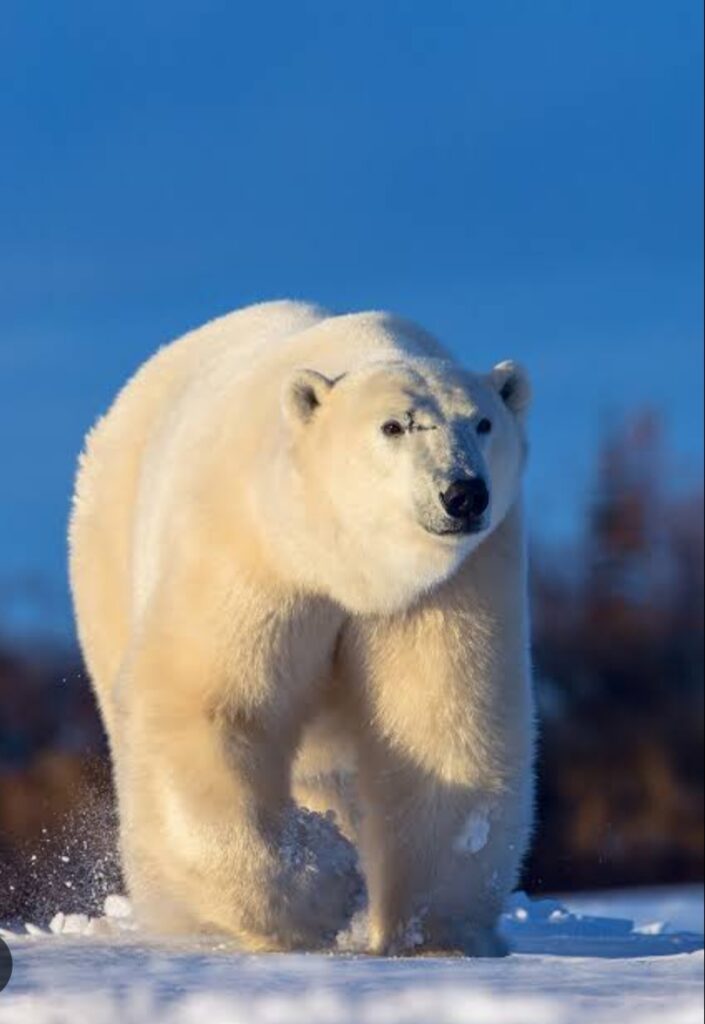
Polar bear –
The Polar Bear is the largest land carnivore in the world. It lives mainly in the Arctic and depends heavily on sea ice for survival. Polar bears are excellent swimmers and primarily feed on seals.
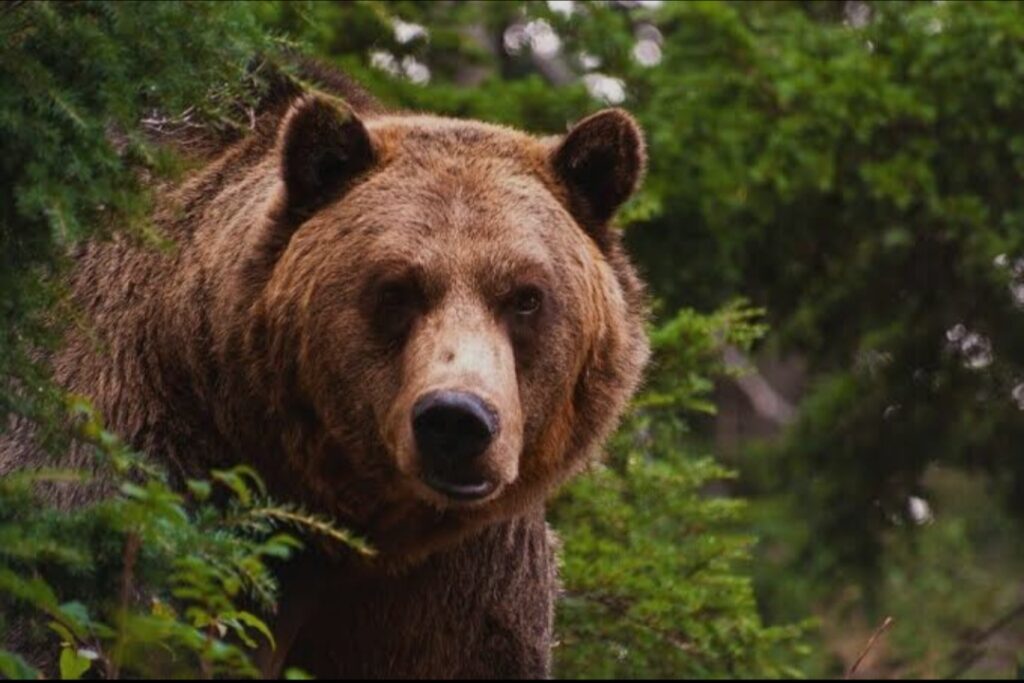
Brown Bear
Brown Bear are among the most common bear species. Grizzly bears are a type of brown bear found in North America. These bears are known for their strength and large size.
Sloth Bear
The Sloth Bear is mostly found in India and nearby countries. These bears have long shaggy fur and feed mainly on insects like termites and ants.
Habitat bear
Bears can survive in many different habitats, including forests, mountains, grasslands, and icy regions. Different species adapt to their surroundings in unique ways.
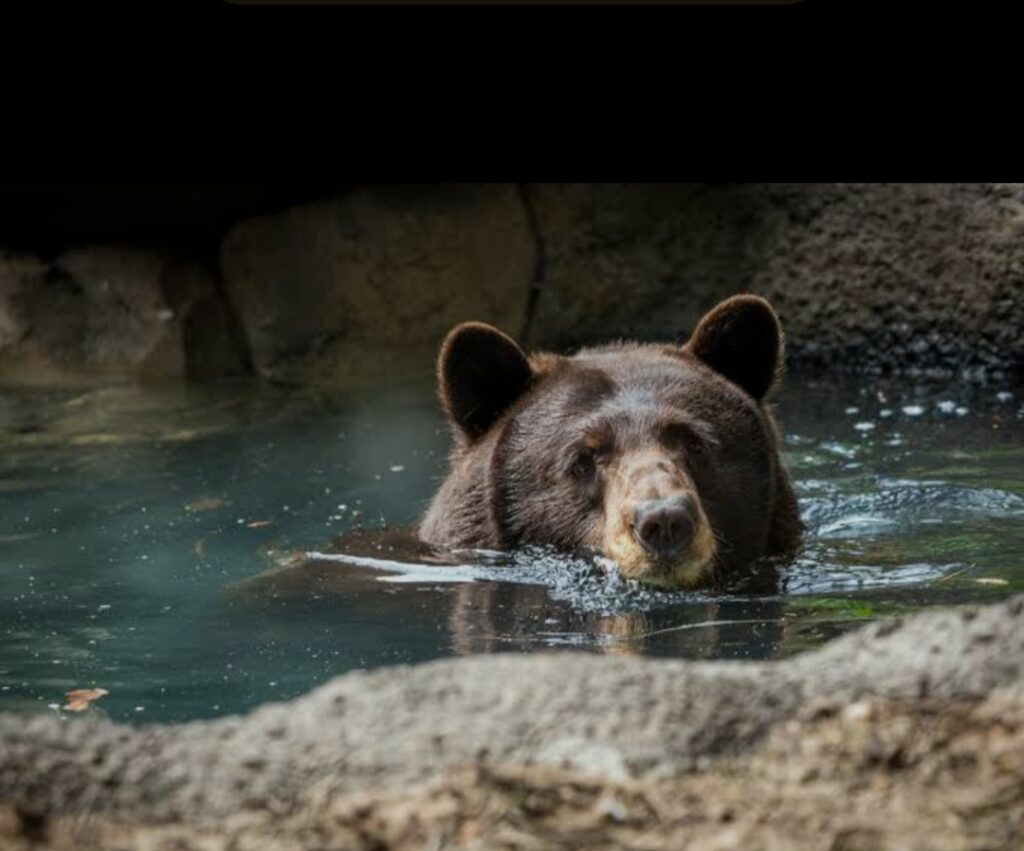
For example, polar bears thrive in cold climates, while sloth bears prefer warm tropical forests. Black bears are highly adaptable and can even live near human settlements.
Most bears prefer isolated areas where they can find enough food, water, and shelter.
What Do Bears Eat?
Bears are generally omnivores, meaning they eat both plants and animals. However, their diet depends on the species and habitat.
Some common foods bears eat include:
Fish
Berries
Honey
Nuts
Insects
Small animals
Plants and roots
Polar bears mostly eat meat, while giant pandas mainly survive on bamboo. Bears are known for eating large amounts of food before winter to prepare for hibernation.
Hibernation: A Unique Survival Strategy
One of the most interesting behaviors of bears is hibernation. During winter, some bear species enter a deep sleep-like state called hibernation.
During this period:
Their heart rate slows down
Body temperature drops slightly
They survive on stored body fat
They do not need to eat or drink muchHibernation helps bears survive harsh winters when food is scarce.
Bear Behavior and Intelligence
Bears are highly intelligent animals. They have excellent memory and problem-solving abilities. Many bears can remember food locations for years and learn how to avoid danger.
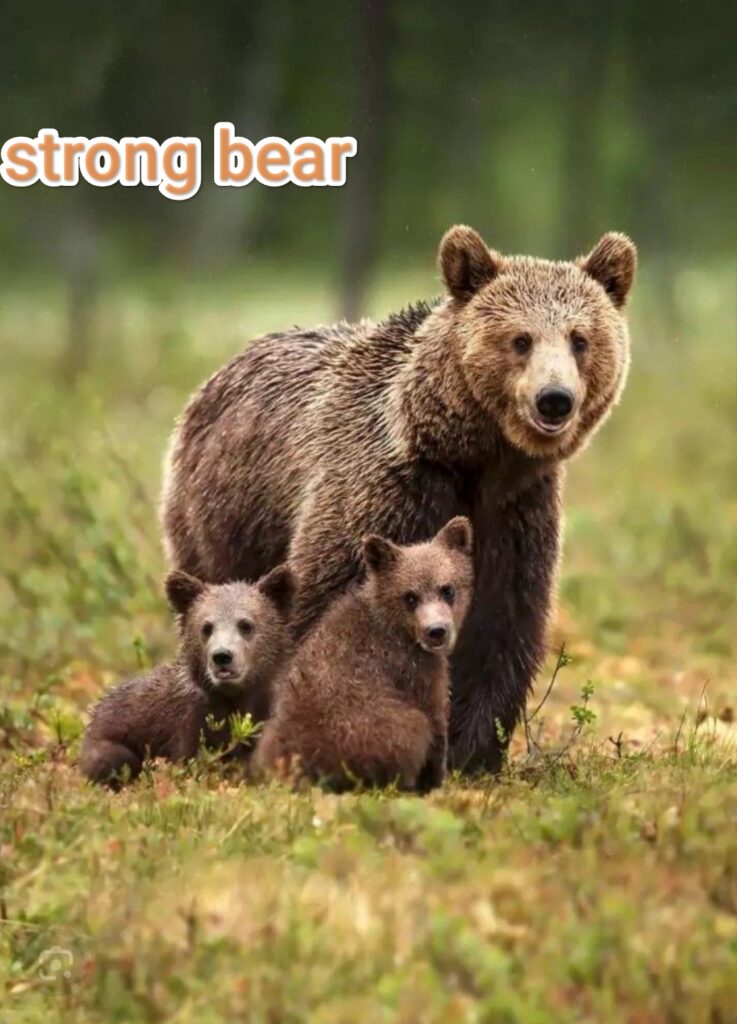
Although bears are often seen as solitary animals, mothers are very protective and caring toward their cubs. Bear cubs usually stay with their mothers for up to two years to learn survival skills.
Bears communicate using sounds, body language, and scent markings.
Importance of Bears in Nature
Bears play a major role in maintaining ecological balance. They help spread seeds through their droppings and control populations of insects and smaller animals.
For example:
Bears help forests grow by spreading plant seeds
They clean up dead animals in the wild
They support biodiversity in ecosystems
Without bears, many natural ecosystems could become unbalanced.
Threats Faced by Bears
Sadly, many bear species face serious threats today. Habitat destruction, climate change, illegal hunting, and human activities are putting pressure on bear populations worldwide.
How Humans Can Help Protect Bears
People can help protect bears in several ways:
Supporting wildlife conservation organizations
Protecting forests and natural habitats
Reducing pollution and climate change
Avoiding illegal wildlife products
Educating others about wildlife protection
Small actions can make a big difference in preserving these amazing animals for future generations.
Conclusion
Bears are truly remarkable animals that inspire awe and respect. Whether it is the mighty polar bear roaming the Arctic or the gentle panda eating bamboo, every bear species has a unique role in nature. Their intelligence, strength, and survival skills make them one of the most fascinating creatures on Earth.
Leave a Reply