The African wilderness is home to some of the world’s most incredible animals, but few are as unique and fascinating as the African wild dog. Known for their colorful coats, remarkable teamwork, and impressive hunting skills, these animals are among the most successful predators in Africa. Despite their abilities, African wild dogs are also one of the continent’s most endangered species.
In this article, we’ll explore everything you need to know about African wild dogs, including their habitat, behavior, diet, social structure, and the challenges they face in the wild.
What Is an African Wild Dog
The African wild dog, also called the painted wolf or painted dog, is a wild canine native to sub-Saharan Africa. Unlike domestic dogs, African wild dogs have long legs, large rounded ears, and beautifully patterned coats with patches of black, brown, white, and yellow. No two wild dogs have the same coat pattern, making each one unique.
Scientifically known as Lycaon pictus, these animals are highly social and live in packs that can range from 6 to over 20 members.
Habitat and Distribution
African wild dogs once roamed across much of Africa, but today their population has significantly declined. They are mainly found in countries such as Botswana, Tanzania, Zimbabwe, and South Africa.
These animals prefer open plains, savannas, grasslands, and lightly wooded areas where they can hunt effectively. Large protected parks and reserves are essential for their survival because wild dogs require vast territories to roam and hunt.
Physical Characteristics
African wild dogs are easy to recognize because of their unusual appearance. Here are some of their key physical traits:
Unique Coat Patterns
Each dog has a different coat pattern, much like human fingerprints. Their colorful fur helps them blend into their environment.
Large Rounded Ears
Their oversized ears improve hearing and help regulate body temperature in the hot African climate.
Lean and Athletic Build
African wild dogs are built for endurance. Their slim bodies and long legs allow them to run at speeds of up to 44 miles per hour (70 km/h).
Diet and Hunting Skills
African wild dogs are carnivores and highly skilled hunters. Their diet mainly includes antelopes, gazelles, impalas, and other medium-sized animals.
Teamwork Makes Them Powerful
One reason African wild dogs are such effective hunters is their teamwork. They hunt in coordinated packs and communicate using vocal sounds, body language, and movements.
Unlike big cats that rely on stealth, wild dogs chase their prey over long distances until the animal becomes exhausted. Their hunting success rate is believed to be higher than that of lions or cheetahs.
Sharing Food
Another interesting fact is that African wild dogs are extremely caring within their packs. They often share food with injured members, nursing mothers, and puppies.
Bears are among the most powerful and intelligent animals found in nature. Known for their strength, thick fur, and unique behaviors, bears have fascinated humans for centuries. From icy Arctic regions to dense forests and mountain ranges, these incredible creatures can survive in many different environments. In this article, we will explore the different types of bears, their habitat, behavior, diet, and why they are important to the ecosystem.
What Is a Bear?
A bear is a large mammal belonging to the family Ursidae. Bears are known for their strong bodies, sharp claws, excellent sense of smell, and thick fur. Although they may appear slow and heavy, bears can run surprisingly fast and are excellent swimmers and climbers.
There are eight species of bears found around the world, and each species has its own unique characteristics and habitat.
Different Types of Bears
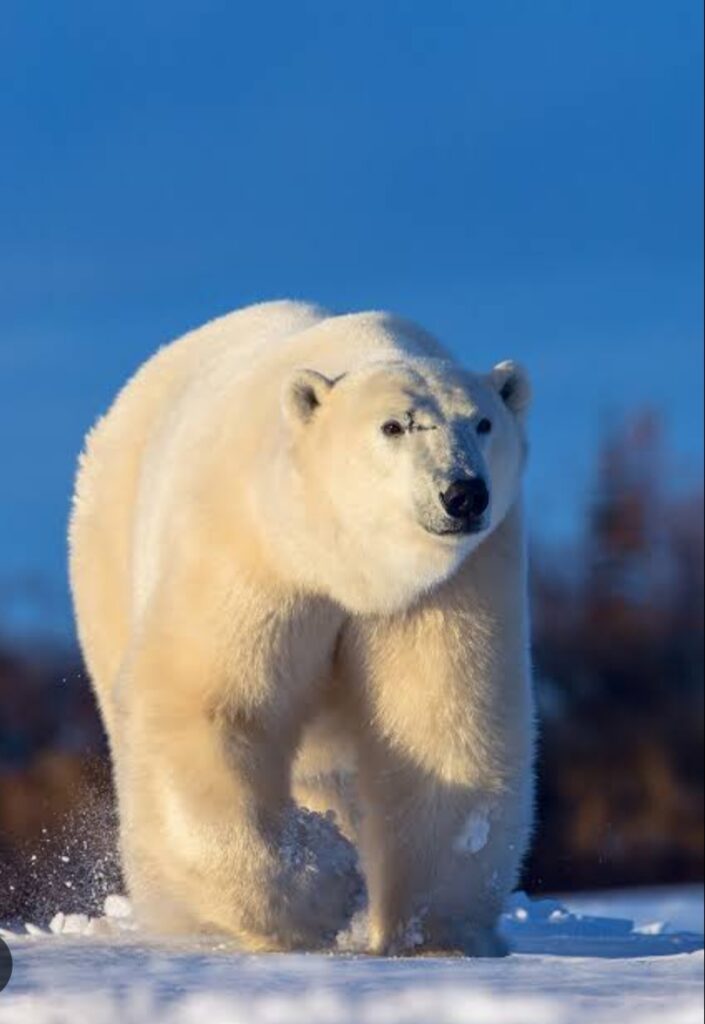
Polar bear –
The Polar Bear is the largest land carnivore in the world. It lives mainly in the Arctic and depends heavily on sea ice for survival. Polar bears are excellent swimmers and primarily feed on seals.
Brown Bear
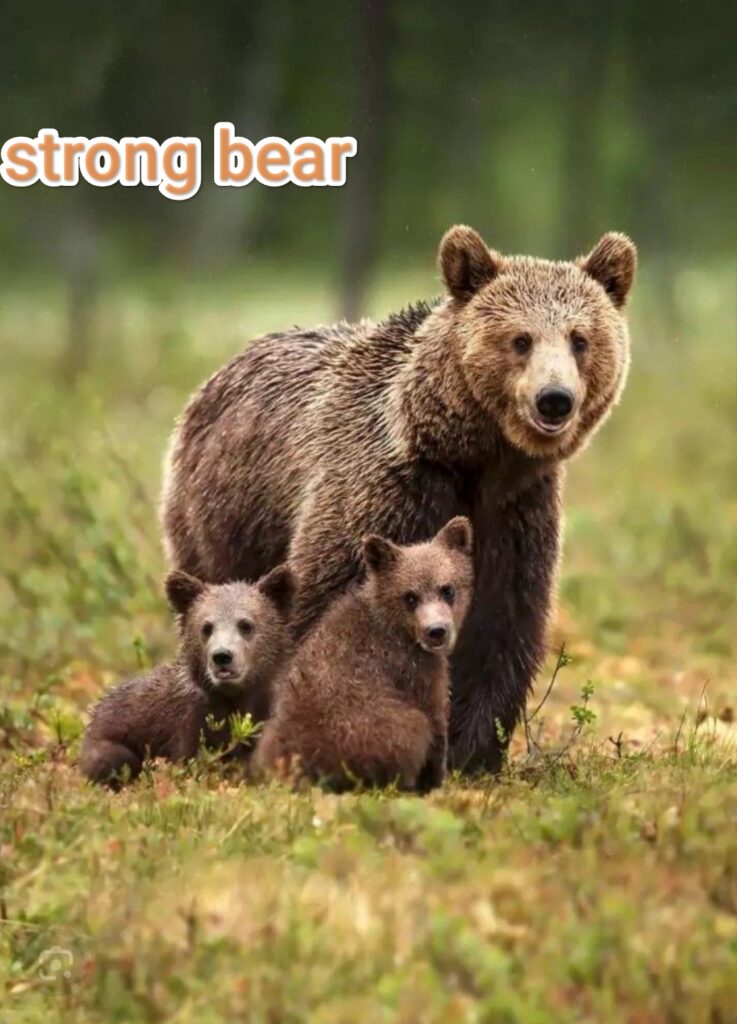
Brown Bear are among the most common bear species. Grizzly bears are a type of brown bear found in North America. These bears are known for their strength and large size.
Sloth Bear
The Sloth Bear is mostly found in India and nearby countries. These bears have long shaggy fur and feed mainly on insects like termites and ants.
Habitat bear
Bears can survive in many different habitats, including forests, mountains, grasslands, and icy regions. Different species adapt to their surroundings in unique ways.
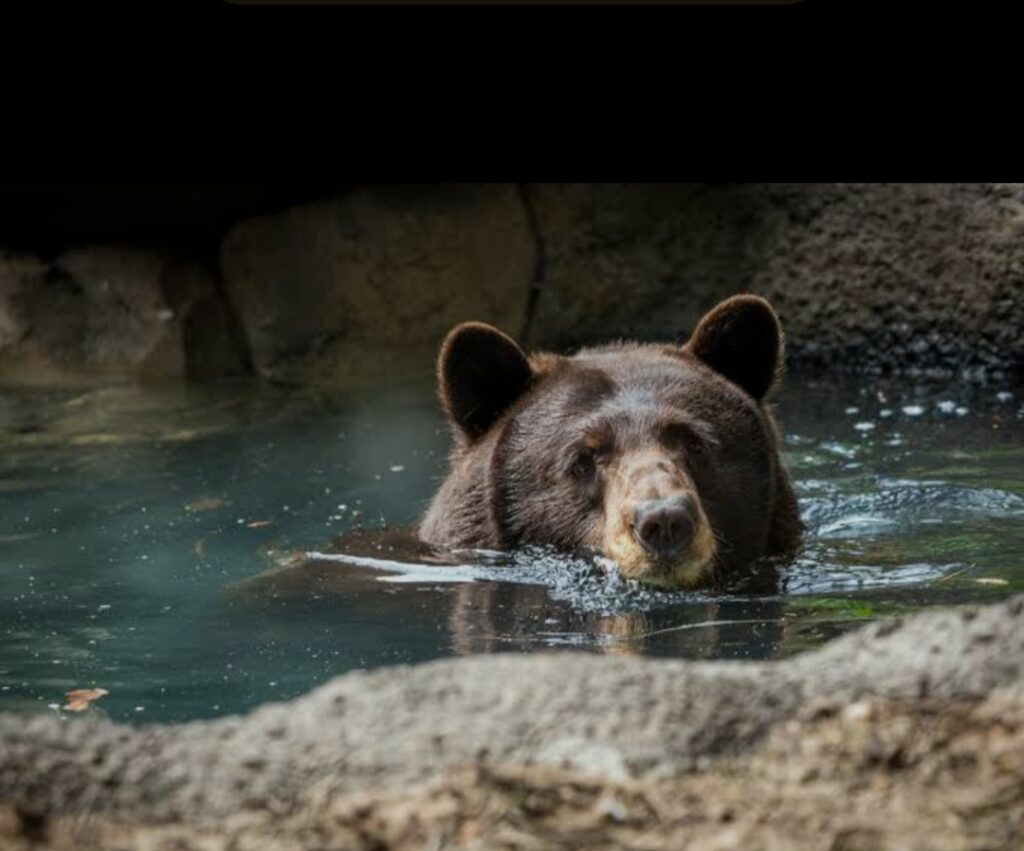
For example, polar bears thrive in cold climates, while sloth bears prefer warm tropical forests. Black bears are highly adaptable and can even live near human settlements.
Most bears prefer isolated areas where they can find enough food, water, and shelter.
What Do Bears Eat?
Bears are generally omnivores, meaning they eat both plants and animals. However, their diet depends on the species and habitat.
Some common foods bears eat include:
Fish
Berries
Honey
Nuts
Insects
Small animals
Plants and roots
Polar bears mostly eat meat, while giant pandas mainly survive on bamboo. Bears are known for eating large amounts of food before winter to prepare for hibernation.
Hibernation: A Unique Survival Strategy
One of the most interesting behaviors of bears is hibernation. During winter, some bear species enter a deep sleep-like state called hibernation.
During this period:
Their heart rate slows down
Body temperature drops slightly
They survive on stored body fat
They do not need to eat or drink muchHibernation helps bears survive harsh winters when food is scarce.
Bear Behavior and Intelligence
Bears are highly intelligent animals. They have excellent memory and problem-solving abilities. Many bears can remember food locations for years and learn how to avoid danger.
Although bears are often seen as solitary animals, mothers are very protective and caring toward their cubs. Bear cubs usually stay with their mothers for up to two years to learn survival skills.
Bears communicate using sounds, body language, and scent markings.
Importance of Bears in Nature
Bears play a major role in maintaining ecological balance. They help spread seeds through their droppings and control populations of insects and smaller animals.
For example:
Bears help forests grow by spreading plant seeds
They clean up dead animals in the wild
They support biodiversity in ecosystems
Without bears, many natural ecosystems could become unbalanced.
Threats Faced by Bears
Sadly, many bear species face serious threats today. Habitat destruction, climate change, illegal hunting, and human activities are putting pressure on bear populations worldwide.
How Humans Can Help Protect Bears
People can help protect bears in several ways:
Supporting wildlife conservation organizations
Protecting forests and natural habitats
Reducing pollution and climate change
Avoiding illegal wildlife products
Educating others about wildlife protection
Small actions can make a big difference in preserving these amazing animals for future generations.
Conclusion
Bears are truly remarkable animals that inspire awe and respect. Whether it is the mighty polar bear roaming the Arctic or the gentle panda eating bamboo, every bear species has a unique role in nature. Their intelligence, strength, and survival skills make them one of the most fascinating creatures on Earth.
In today’s fast-changing world, businesses face constant challenges. Economic downturns, changing customer preferences, technological disruptions, and global crises can all impact how companies operate. While some businesses struggle to survive during uncertain times, others continue to grow stronger. The difference often comes down to one key factor: a resilient business model.A resilient business model helps companies adapt to change, manage risks, and continue delivering value even during difficult situations. Businesses that focus on resilience are better prepared to handle uncertainty and seize new opportunities.
What Is a Resilient Business Model?
A resilient business model is a strategy that allows a company to remain stable and flexible during changing market conditions. Instead of depending on a single product, customer group, or revenue source, resilient businesses build systems that can adapt quickly.These businesses are designed to survive disruptions while continuing to meet customer needs. They focus on long-term sustainability rather than short-term success.For example, many traditional retail stores struggled during the rise of online shopping. However, companies that quickly adopted e-commerce platforms, digital payments, and delivery services managed to stay competitive and profitable.
Why Business Resilience Matters.
The business environment is more unpredictable than ever before. Events like pandemics, inflation, supply chain disruptions, and rapid technological advancements can create sudden challenges.
A resilient business model helps organizations:
Adapt to market changes quickly
Reduce financial risks
Improve customer trust and loyalty
Maintain stable operations during crises
Discover new growth opportunities
Companies that invest in resilience are more likely to survive difficult times and remain competitive in the future.
Key Features of Resilient Business Models
1. Diversified Revenue Streams
Relying on one source of income can be risky. Resilient businesses create multiple revenue streams to reduce dependency on a single market or product.
For example, a restaurant may offer dine-in services, online food delivery, catering, and packaged food products. If one revenue stream slows down, the others can help maintain
income.Diversification creates financial stability and lowers business risks.
2. Strong Customer Relationships
Customers are the foundation of every successful business. Companies with strong customer relationships often recover faster during difficult periods.
Businesses can strengthen customer loyalty by:
Providing excellent customer service
Listening to customer feedback
Offering personalized experiences
Maintaining clear communication
When customers trust a brand, they are more likely to continue supporting it even during challenging times.
3. Digital Transformation.
Technology plays a major role in business resilience. Companies that embrace digital tools can operate more efficiently and adapt more quickly.
Examples of digital transformation include:
Online stores and mobile apps
Cloud-based software
Remote work systems
Digital marketing strategies
Data analytics for decision-making
Businesses that invest in technology are better prepared for future disruptions.
5. Financial Preparedness.
Financial stability is essential for long-term resilience. Companies should maintain emergency funds, manage debt carefully, and monitor cash flow regularly.
Financial preparedness allows businesses to handle unexpected expenses and continue operating during economic slowdowns.
Smart budgeting and risk management can help businesses stay secure even in uncertain markets.
.Examples of Resilient Business Strategies.
Many successful companies have demonstrated resilience by adapting to changing environments.
Streaming platforms replaced traditional media consumption by responding to customer demand for convenience. Fitness companies introduced virtual classes during lockdowns to maintain customer engagement. Small businesses adopted online selling and social media marketing to reach broader audiences.
These examples show that resilience often comes from innovation and the willingness to evolve.
How Small Businesses Can Build Resilience.
Resilience is not only for large corporations. Small businesses can also strengthen their business models with simple strategies
.Focus on Customer Needs.
Understanding customer behavior helps businesses adjust products and services more effectively. Regular feedback and market research can reveal changing preferences.
Invest in Employee Development.
Skilled and motivated employees contribute to business adaptability. Training programs and supportive work environments improve productivity and innovation.
Build Strong Partnerships
Reliable suppliers, service providers, and business partners can provide valuable support during difficult times.
The Future of Resilient Businesses
As industries continue to evolve, resilience will become even more important. Businesses must prepare for technological changes, environmental challenges, and shifting customer expectations.
Sustainability, innovation, and digital readiness will play major roles in future business success. Companies that prioritize adaptability and long-term planning will be better equipped to handle uncertainty.
Resilient businesses do not simply react to problems—they prepare for them in advance.
Conclusion
A resilient business model is essential for long-term success in today’s unpredictable world. Businesses that embrace flexibility, innovation, customer focus, and financial preparedness are more likely to survive and grow during challenging times.
Whether you run a small startup or a large company, building resilience can help protect your business from unexpected disruptions while creating new opportunities for growth. By planning ahead and adapting to change, businesses can remain strong, competitive, and successful for years to come.
FAQs
What is a resilient business model?
Resilience helps businesses survive disruptions, maintain customer trust, reduce risks, and stay competitive in changing markets.
Why is resilience important for businesses
Resilience helps businesses survive disruptions, maintain customer trust, reduce risks, and stay competitive in changing markets.
Snakes are some of the most intriguing and misunderstood creatures on Earth. Often surrounded by myths and fear, these legless reptiles actually play a vital role in maintaining ecological balance. Whether you find them fascinating or a little intimidating, learning more about snakes can help you appreciate their importance and unique characteristics
What Are Snakes
Snakes are elongated, legless reptiles belonging to the suborder Serpentes. They are found almost everywhere in the world, except for extremely cold regions like Antarctica. With over 3,000 species, snakes come in a wide variety of sizes, colors, and behaviors.Unlike many other animals, snakes do not have eyelids or external ears. Instead, they rely on vibrations and their keen sense of smell to navigate their surroundings. Their forked tongues help them “taste” the air, allowing them to detect prey and predators.
Types of Snakes
Snakes can generally be categorized into two main types: venomous and non-venomous.
Venomous Snakes
Venomous snakes produce toxins that help them immobilize or kill their prey. Some well-known venomous snakes include cobras, vipers, and rattlesnakes. While their bites can be dangerous, these snakes typically avoid humans and only attack when threatened.
Non-Venomous Snakes
Non-venomous snakes, such as pythons and boas, rely on constriction to subdue their prey. They wrap their bodies around the prey and squeeze until it can no longer breathe. These snakes are generally harmless to humans.
Where Do Snakes Live?
Snakes are highly adaptable and can thrive in a variety of habitats, including:ForestsDesertsGrasslandsWetlandsEven urban areasSome snakes are excellent swimmers and can be found in rivers and oceans, while others prefer dry, sandy environments. Their ability to adapt is one reason why snakes have survived for millions of years.
What Do Snakes Eat?
Snakes are carnivores, meaning they eat other animals. Their diet depends on their size and species. Common prey includes:RodentsBirdsEggsFrogsInsectsLarger snakes can even consume animals much bigger than their heads, thanks to their flexible jaws. After a big meal, a snake may not need to eat again for days or even weeks.
How to Stay Safe Around Snakes
If you encounter a snake in the wild, it’s important to remain calm and follow these tips:Keep a safe distanceDo not try to touch or provoke itWear protective footwear in snake-prone areasBe aware of your surroundingsMost snake bites occur when people try to handle or disturb them.
Conclusion
Snakes are truly remarkable creatures that deserve more appreciation than fear. From their unique physical features to their important role in ecosystems, they are an essential part of nature. By understanding snakes better, we can coexist with them safely and respectfully.
FAQs About Snakes
Are all snakes venomous?No, only a small percentage of snake species are venomous. Most snakes are harmless to humans.2. What should I do if I see a snake?Stay calm, keep your distance, and allow the snake to move away on its own.3. How do snakes move without legs?Snakes use their muscles and scales to push against surfaces, allowing them to slither efficiently.
Getting quality sleep is essential for maintaining good health, boosting productivity, and improving overall well-being. Yet, many people struggle to maintain a consistent sleep routine due to busy lifestyles, irregular work hours, or excessive screen time. This is where a sleep schedule generator can make a meaningful difference. By helping you plan the best times to sleep and wake up, it promotes better rest and a healthier daily rhythm.
What Is a Sleep Schedule Generator
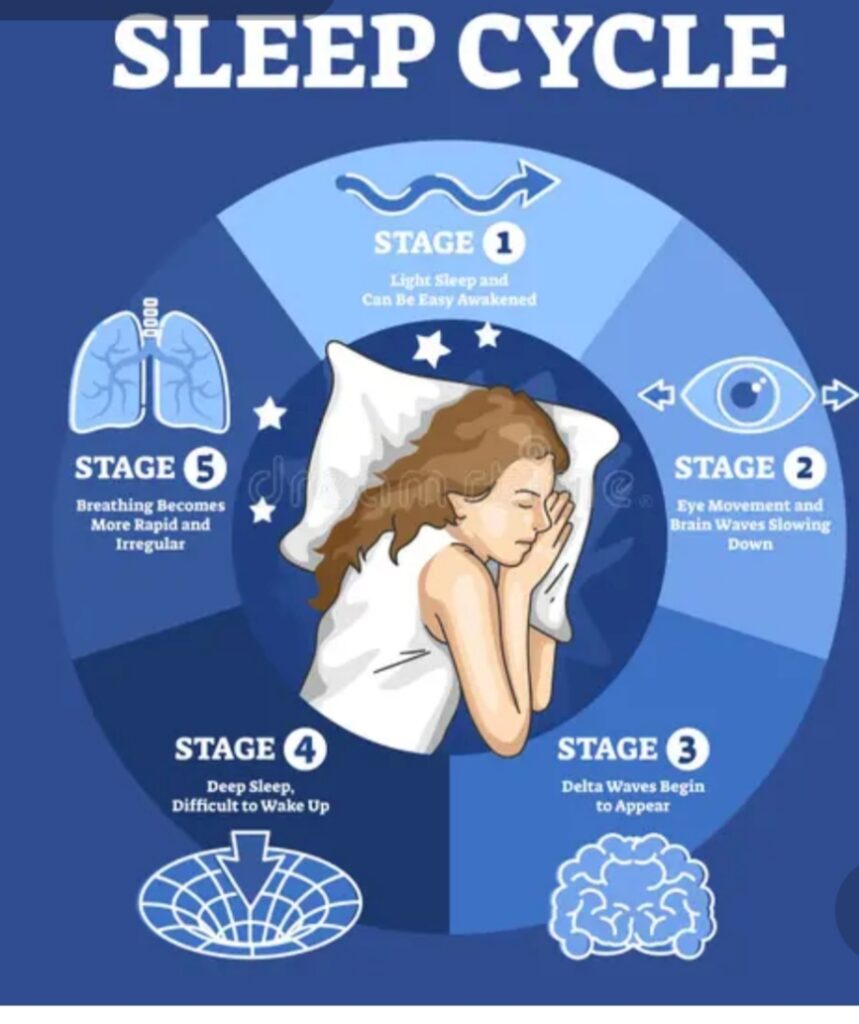
A sleep schedule generator is a tool designed to recommend optimal sleep and wake times based on your personal preferences and biological sleep cycles. Instead of randomly deciding when to go to bed, this tool calculates ideal sleep periods to ensure you wake up feeling refreshed rather than groggy.These generators often use the concept of sleep cycles, which typically last about 90 minutes. Waking up at the end of a cycle—rather than in the middle—can significantly improve how you feel in the morning.Why a Proper Sleep Schedule
a consistent sleep schedule is more important than many people realize. Poor sleep habits can lead to fatigue, lack of focus, and even long-term health issues.Key Benefits of a Consistent Sleep RoutineImproved Energy Levels: Waking up at the right time helps you feel more alert throughout the day.Better Mental Clarity:
Quality sleep enhances memory, concentration, and decision-making.Enhanced Mood: A regular sleep pattern can reduce stress and improve emotional stability.Stronger Immune System: Proper rest supports your body’s natural defenses.
How a Sleep Schedule Generator Works
A sleep schedule generator typically asks for one or more of the following inputs:Your desired wake-up timeYour preferred bedtimeThe amount of sleep you want (usually 7–9 hours for adults)Based on this information, the tool calculates the best times to fall asleep or wake up by aligning them with complete sleep cycles.
Example
If you want to wake up at 6:00 AM, the generator might suggest going to bed at:9:00 PM (for 6 full cycles)10:30 PM (for 5 cycles)12:00 AM (for 4 cycles)This ensures you wake up at the end of a sleep cycle, reducing morning grogginess.
Features to Look for in a Sleep Schedule Generator
Not all sleep tools are created equal. When choosing one, consider the following features:
1. Customization Options
A good generator allows you to adjust sleep duration, bedtime, and wake-up preferences.
2. Sleep Cycle Calculation
Look for tools that calculate sleep in 90-minute cycles for better accuracy.
3. User-Friendly Interface
The tool should be simple and easy to use, even for beginners.
4. Mobile Compatibility
Many people prefer using sleep tools on their phones, so mobile-friendly design is a plus.
Common Mistakes to Avoid
Even with a sleep schedule generator, certain habits can reduce its effectiveness.Ignoring the recommended sleep timesFrequently changing your sleep scheduleConsuming heavy meals right before bedSleeping in too much on weekendsAvoiding these mistakes can help you get the most out of your sleep plan.
Conclusion
A sleep schedule generator is a simple yet powerful tool that can transform the way you sleep. By aligning your rest with natural sleep cycles, it helps you wake up feeling refreshed and energized. When combined with healthy sleep habits and consistency, it can significantly improve your overall quality of life.If you’ve been struggling with irregular sleep patterns, now is the perfect time to try a sleep schedule generator and take control of your rest.