Snakes are some of the most intriguing and misunderstood creatures on Earth. Often surrounded by myths and fear, these legless reptiles actually play a vital role in maintaining ecological balance. Whether you find them fascinating or a little intimidating, learning more about snakes can help you appreciate their importance and unique characteristics
What Are Snakes
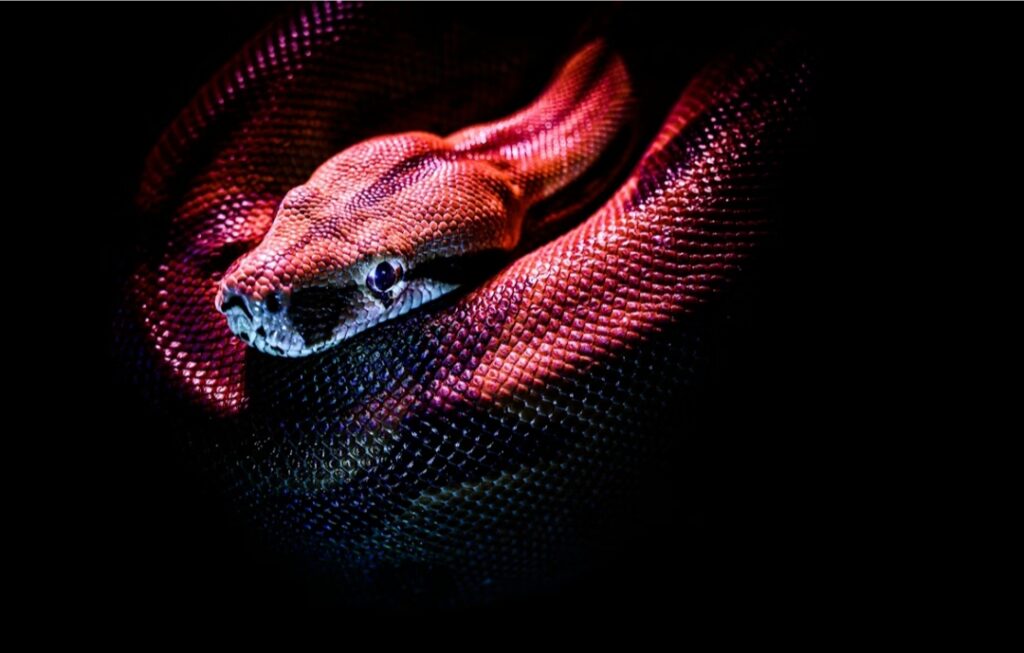
Snakes are elongated, legless reptiles belonging to the suborder Serpentes. They are found almost everywhere in the world, except for extremely cold regions like Antarctica. With over 3,000 species, snakes come in a wide variety of sizes, colors, and behaviors.Unlike many other animals, snakes do not have eyelids or external ears. Instead, they rely on vibrations and their keen sense of smell to navigate their surroundings. Their forked tongues help them “taste” the air, allowing them to detect prey and predators.
Types of Snakes
Snakes can generally be categorized into two main types: venomous and non-venomous.
Venomous Snakes
Venomous snakes produce toxins that help them immobilize or kill their prey. Some well-known venomous snakes include cobras, vipers, and rattlesnakes. While their bites can be dangerous, these snakes typically avoid humans and only attack when threatened.
Non-Venomous Snakes
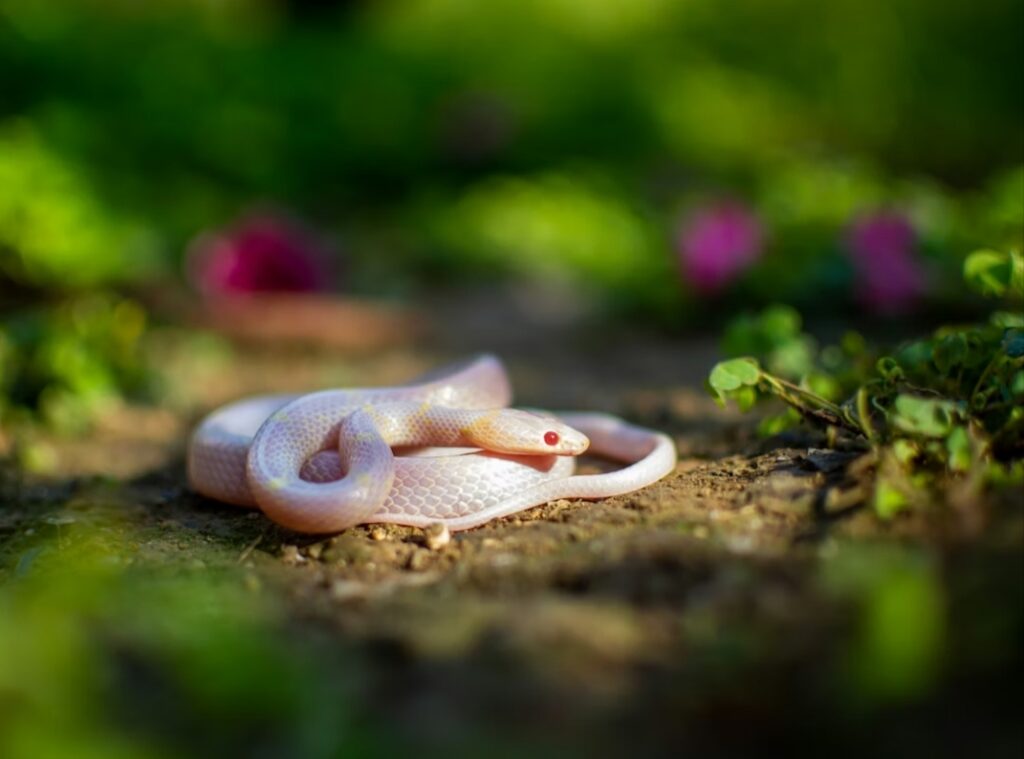
Non-venomous snakes, such as pythons and boas, rely on constriction to subdue their prey. They wrap their bodies around the prey and squeeze until it can no longer breathe. These snakes are generally harmless to humans.
Where Do Snakes Live?
Snakes are highly adaptable and can thrive in a variety of habitats, including:ForestsDesertsGrasslandsWetlandsEven urban areasSome snakes are excellent swimmers and can be found in rivers and oceans, while others prefer dry, sandy environments. Their ability to adapt is one reason why snakes have survived for millions of years.
What Do Snakes Eat?
Snakes are carnivores, meaning they eat other animals. Their diet depends on their size and species. Common prey includes:RodentsBirdsEggsFrogsInsectsLarger snakes can even consume animals much bigger than their heads, thanks to their flexible jaws. After a big meal, a snake may not need to eat again for days or even weeks.
How to Stay Safe Around Snakes
If you encounter a snake in the wild, it’s important to remain calm and follow these tips:Keep a safe distanceDo not try to touch or provoke itWear protective footwear in snake-prone areasBe aware of your surroundingsMost snake bites occur when people try to handle or disturb them.
Conclusion
Snakes are truly remarkable creatures that deserve more appreciation than fear. From their unique physical features to their important role in ecosystems, they are an essential part of nature. By understanding snakes better, we can coexist with them safely and respectfully.
FAQs About Snakes
Are all snakes venomous?No, only a small percentage of snake species are venomous. Most snakes are harmless to humans.2. What should I do if I see a snake?Stay calm, keep your distance, and allow the snake to move away on its own.3. How do snakes move without legs?Snakes use their muscles and scales to push against surfaces, allowing them to slither efficiently.
Leave a Reply